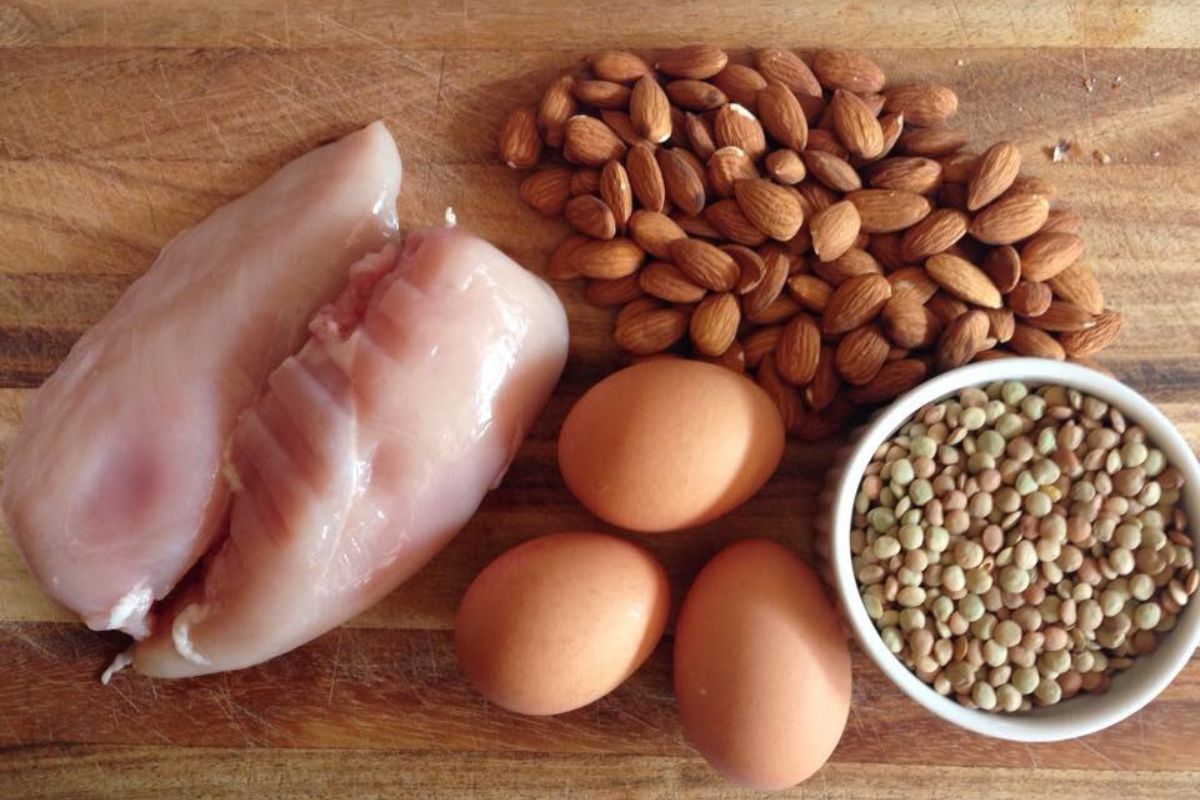
In every health video on social media, people seem to emphasize one thing above the rest: Protein. Every “what I eat in a day” video focuses on high protein at every meal. Every nutritionist reacting to these videos seems to rank food choices based on the amount of protein that was included, often offering substitution suggestions to include more protein throughout the day.
For every food, it seems there is a “protein” equivalent. Protein cookies, protein bagels, and even protein sodas have hit stores. It begs the question: Is protein really that important, or is the protein trend just a fad? Here are the benefits of protein and why we are seeing it everywhere.
Muscle Building and Repair
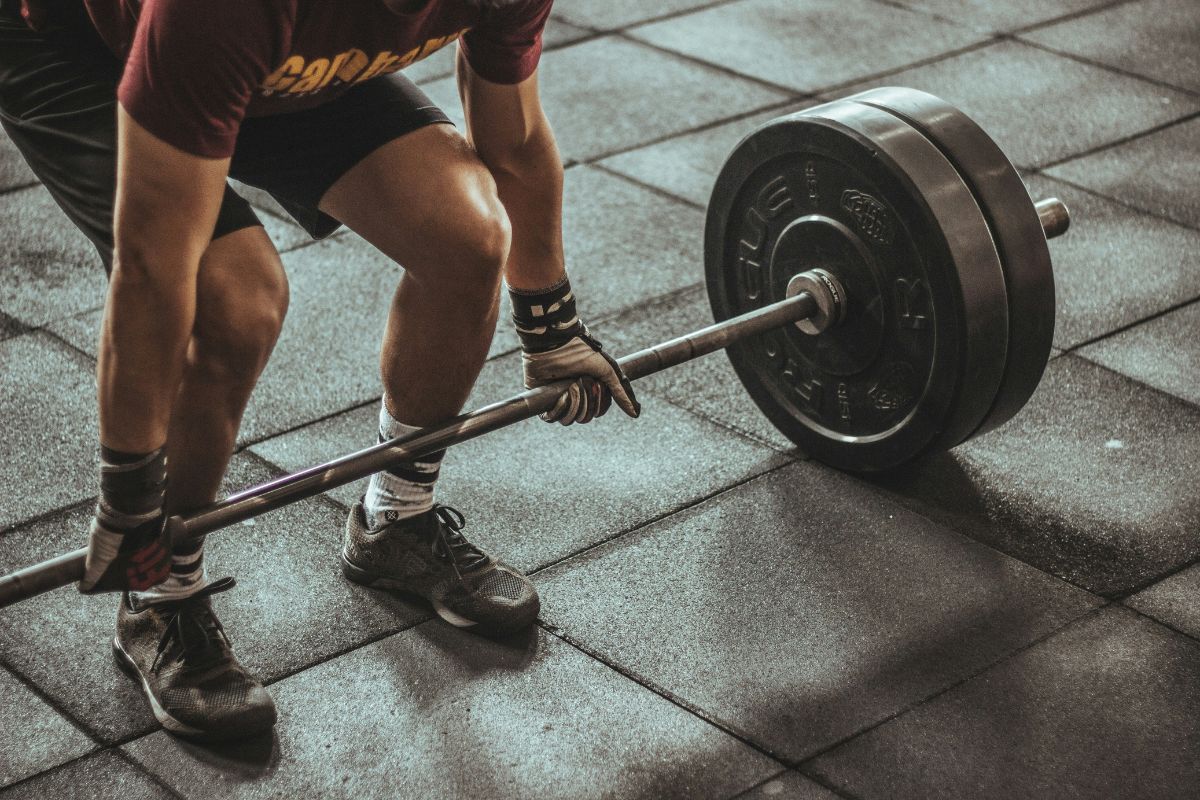
Protein is essential for building muscle and recovering from exercise. The body naturally breaks down muscle proteins throughout the day. This happens when you’re simply sitting still, and happens on a greater scale during activity. Those proteins need to be replaced by food, as the body cannot produce them on its own.
When protein is consumed, the body breaks it down into amino acids, which are reassembled into muscle tissue. Protein is needed to maintain already existing muscles, meaning a larger amount is required for those trying to build muscle. Without proper protein intake, you start to lose energy and eventually, muscle.
Skin, Hair, Nail Health

If you have ever heard the term “eat your skincare,” protein plays a huge role in that. Similar to using protein to build strong muscles, protein is used by the body to build strong and healthy skin, hair, and nails. Though often seen as cosmetic, these three traits play a huge role in our bodily functions — they provide protection.
Our skin provides a sense of touch, protection from germs, and regulates body temperature. Similar to muscles, our body uses protein to rebuild skin cells and maintain these functions. The proteins our skin relies on most heavily are collagen, elastin, and keratin. Protein provides strength, as well as a youthful glow.
Keratin is also the primary protein that supports hair and nail health. Hair and nails, though also largely seen as cosmetic, provide temperature regulation and injury prevention to delicate tissue, nerves, blood vessels, and muscle. Protein creates strong and healthy hair and nails, which ultimately provides cosmetic advantages as well.
Manage Weight and Reduce Cravings
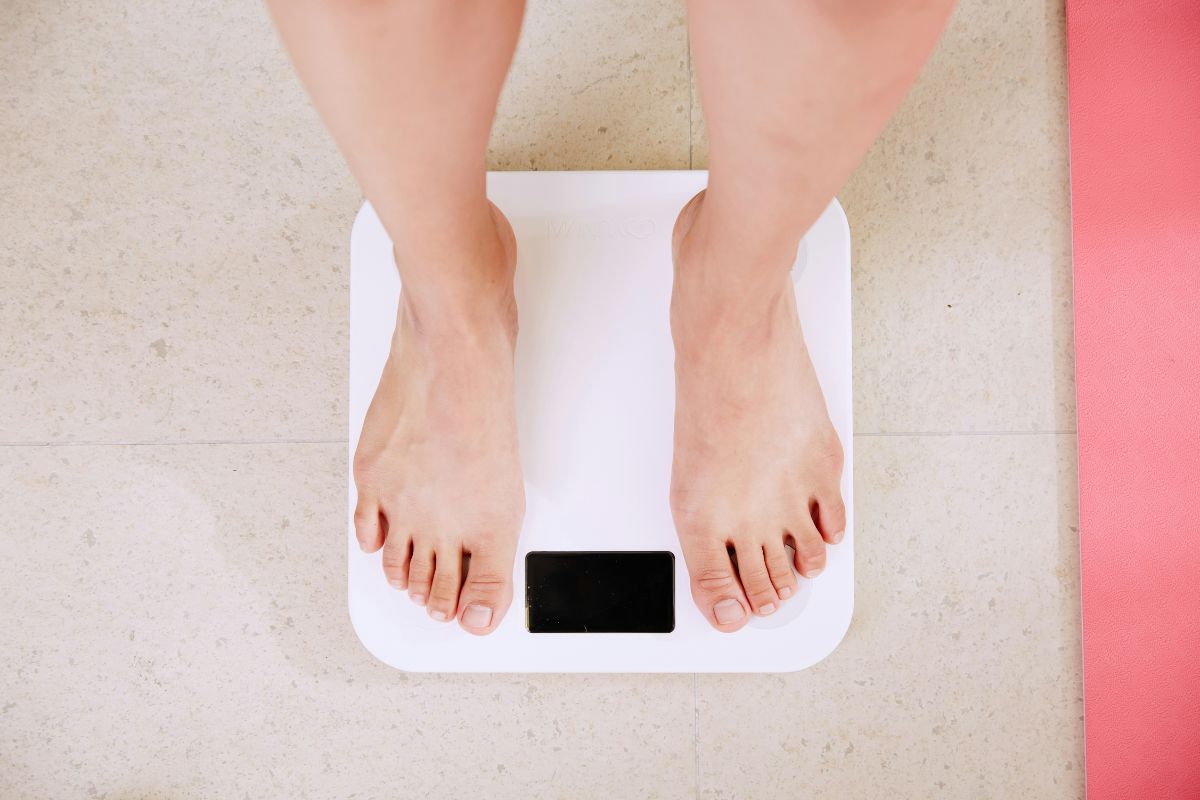
For those attempting to lose weight, increased protein intake can be a beneficial and healthy strategy. Protein breaks down more slowly than other nutrients, leaving the consumer satisfied and fuller for longer. Protein-rich foods can naturally lead to lower calorie intake, which leads to fat loss.
When breaking down protein-rich foods, the body burns more calories than it would digesting carbohydrates or fats. Protein leads to a larger calorie burn and a lower calorie intake, making it an excellent weight loss tool.
Protein Needs
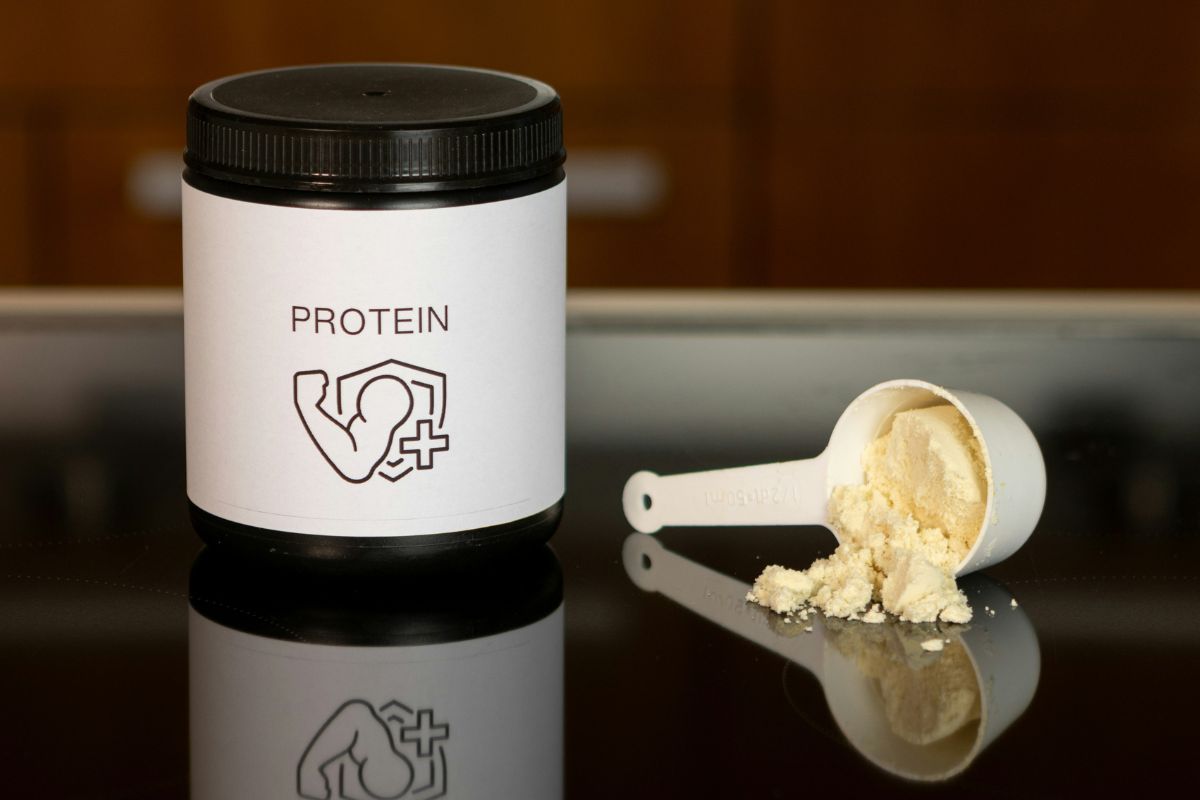
According to the Cleveland Clinic, it is recommended that adults eat between 0.8 and 1 gram of protein for every kilogram of body weight each day. That roughly equates to about 25% of an adult’s daily calorie intake.
However, there are many reasons a person may require higher amounts of protein per day. Activity level plays a huge role in protein needs. Whether you are attempting to lose weight or gain muscle, a protein-filled diet is essential to reaching your goals.
Protein needs may also vary by age. Muscle mass begins to decline as early as a person’s 30s or 40s. Maintaining strength is not only essential for workouts, but it is also essential for everyday life. As you age, a higher amount of protein becomes more and more important to living a healthy lifestyle.
Make sure to speak to a health professional about your protein goals.
Dangers of the Protein-Trend

While protein is essential to our bodily functions, some warnings come along with the protein trend. An excessive amount of protein can lead to kidney strain or kidney disease, even among individuals with no prior kidney problems.
Many protein-rich foods are also high in saturated fats. An overconsumption of these foods can lead to elevated cholesterol levels, increasing the risk of heart disease.
An overarching focus on protein can lead to deficiencies in other areas, such as vitamins, antioxidants, and fiber. This leads to additional issues such as uncomfortable bloating and constipation. Protein is important, but it is not the only form of nutrients that we should focus on.
Key Takeaways
Protein is essential for building muscle and strengthening our bodies in a variety of ways. It promotes muscle growth and prevents muscle loss during weight loss journeys. It promotes a healthy lifestyle by curbing cravings and assisting in weight loss.
However, protein is not the only nutrient our bodies need. Things like vitamins, fiber, micronutrients, and antioxidants are equally important to our health. Prioritizing protein is essential, but not at the expense of other foods. Healthy eating does not simply mean high-protein; it means a well-balanced, colorful plate of food that provides nutrients and helps us reach our goals.