
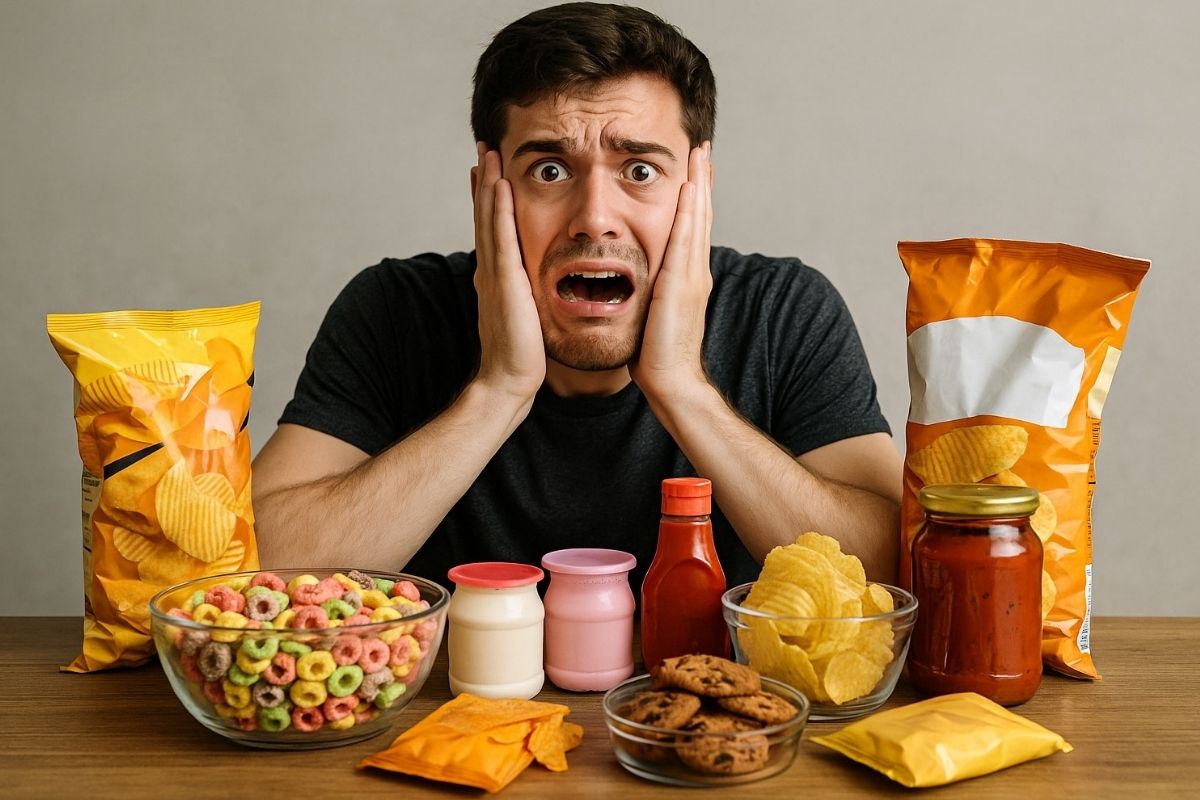
The shift from whole, nutrient-rich foods to ultra-processed foods (UPFs) is becoming more prevalent. However, health experts are putting them under a microscope, as many UPFs carry associated health risks, such as heart disease. These foods are often seen as sugary cereals, flavored yogurts, packaged snacks, and pre-made sauces. As they continue to invade our diets, so too does the increase in chronic illnesses.
Study Findings
A review published in The Lancet has found that over half of the average UK diet consists of UPFs. They are filled with calories, added fats, sugars, salt, and various additives like preservatives, flavorings, emulsifiers, and artificial colorings. These all contribute to overconsumption, and studies have found that there is a connection between overconsumption and an increased risk of certain conditions. They range from obesity, cardiovascular disease, type 2 diabetes, certain cancers, and even mental health disorders like depression. While the connection is not conclusively proven, the overwhelming data is calling for urgent government and policy interventions to control UPF intake.
Another study looks at plant-based diets. While these are known for their health benefits and can be a great option, the benefits vanish when the plant foods consumed are ultra-processed. These ultra-processed plant foods, such as meat substitutes, fruit juices, and pastries, can be linked to higher risks of heart attacks and strokes. In comparison, minimally processed plant foods retain most of their natural form. They can even protect against heart disease and other health issues. The importance lies not only in the food eaten, but in the degree of processing involved.
Recommended Food Swaps
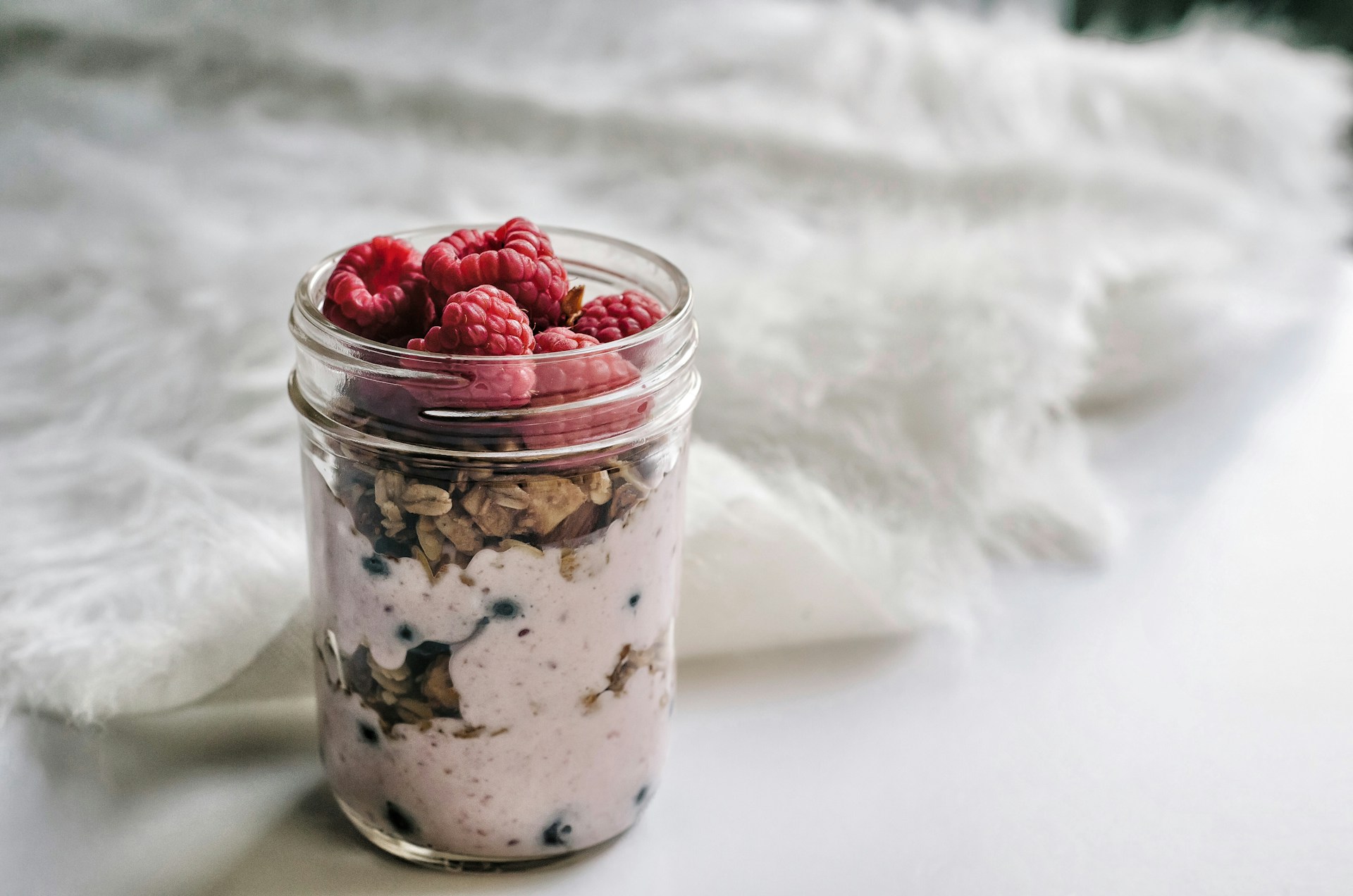
For families who want to stray away from UPFs, nutritionists and dieticians recommend several food swaps. The swaps will align with healthier eating while still providing convenience and flavor. For instance, replace sugary cereal with homemade overnight oats or steel-cut oats topped with fruit, nuts, and seeds. Or take your sugar-loaded normal yogurts and switch them out for Greek yogurt, which enhances nutrient intake and supports gut health.
Other food swaps include opting for a handful of nuts instead of protein bars, which may contain unnecessary additives. Or, grab sourdough and bakery bread over mass-produced packaged white bread, which is filled with preservatives and emulsifiers. Along with food swaps, choosing to make your own food at home is encouraged. Try making pizza without processed bases and filled with vegetables. Or, make a curry paste instead of grabbing store-bought options filled with modified starches and thickeners.
Snacks
Need a healthier snack that still satisfies? Grab lightly salted popcorn instead of chips, homemade trail mix instead of packaged ones, and homemade oat bars instead of commercial energy bars. Each of these food swaps can decrease your daily sugar, unhealthy fat, and artificial additive intake. For drinks, enjoy sparkling water, kombucha, or fruit-infused waters to replace sodas or other sugar-packed beverages.
If you want a more frozen treat, blend frozen bananas with coconut milk to make a healthier version of ice cream. This eliminates added emulsifiers, stabilizers, and refined sugars in your diet. As for soups, aim for homemade versions that prioritize roasted vegetables, herbs, and minimal additives instead of canned soups.
Health Risks

The health consequences of UPFs extend beyond increased mortality due to chronic disease. A recent study found that higher UPF consumption can also lead to elevated deaths from circulatory diseases, digestive diseases, and Parkinson’s disease. By slowly decreasing your UPF intake and replacing it with minimally processed foods, you can decrease mortality risks.
Further Research Needed
While there is plenty of evidence connecting negative health impacts to UPFs, experts still caution that not all UPFs are equal. Further research is needed to see how they impact short and long-term health. Nevertheless, one thing is clear: reducing UPF foods and swapping to minimally processed alternatives are critical to improving your overall health.
Final Thoughts
So, for busy families who want to improve their diet, the main message is easy: start small. Choose manageable swaps to start with, and slowly increase, adding cleaner ingredients to your cart instead of heavily processed ones. Beyond decreasing risks like heart disease and improving your health, food swaps can turn into a cultural shift to more mindful eating.