

Long, restless nights lead to low energy levels, patience, and a poor mood. However, you can change that by training for better sleep. By adding small habitual changes to your daily life, bedroom environment, and mindset, you can turn nighttime anxiety into deep slumber. Keep reading to learn more below.
Sleep Disruptions

The first step to better sleep is figuring out what is disrupting your current routine. A great way to pinpoint the problem is through a simple sleep diary, where you keep track of wake time, naps, caffeine, alcohol, exercise, and estimated sleep for one to two weeks. Reports show this method quickly reveals patterns in your sleeping, for instance, late caffeine intake or weekend sleep-ins, shifting your internal clock. That way, you can target one issue at a time and see if the changes result in enhanced sleep. It is worth noting that stress, chronic pain, breathing problems, and certain medications can affect sleep, and may need to be consulted with a doctor.
Addressing Substances and Quick Fixes
You may want to rethink substances and quick fixes. Alcohol, high-THC cannabis, and overused sleep aids can negatively impact natural sleep cycles and leave you foggy and sluggish throughout the day. Instead, health-system guidance recommends discussing any substance or medication use with a professional before taking or changing them. While short-term medication can provide some help, it’s worth trying non-medicated strategies to get healthier sleep long-term.
Create a Nightly Routine
It’s important to create a consistent nightly routine that signals “sleep” to your brain and allows your body to relax and prepare for eight hours of rest. Professionals recommend starting the ritual 30-60 minutes before bed, which may include gentle stretching, progressive muscle relaxation, deep breathing, reading or quiet journaling, and dimming lights. This helps reduce stimulation that keeps you awake for longer. It’s also super important to try and avoid screen time during that window, and even prepare for the next day to lower nighttime stress.
Proper Sleep Environment
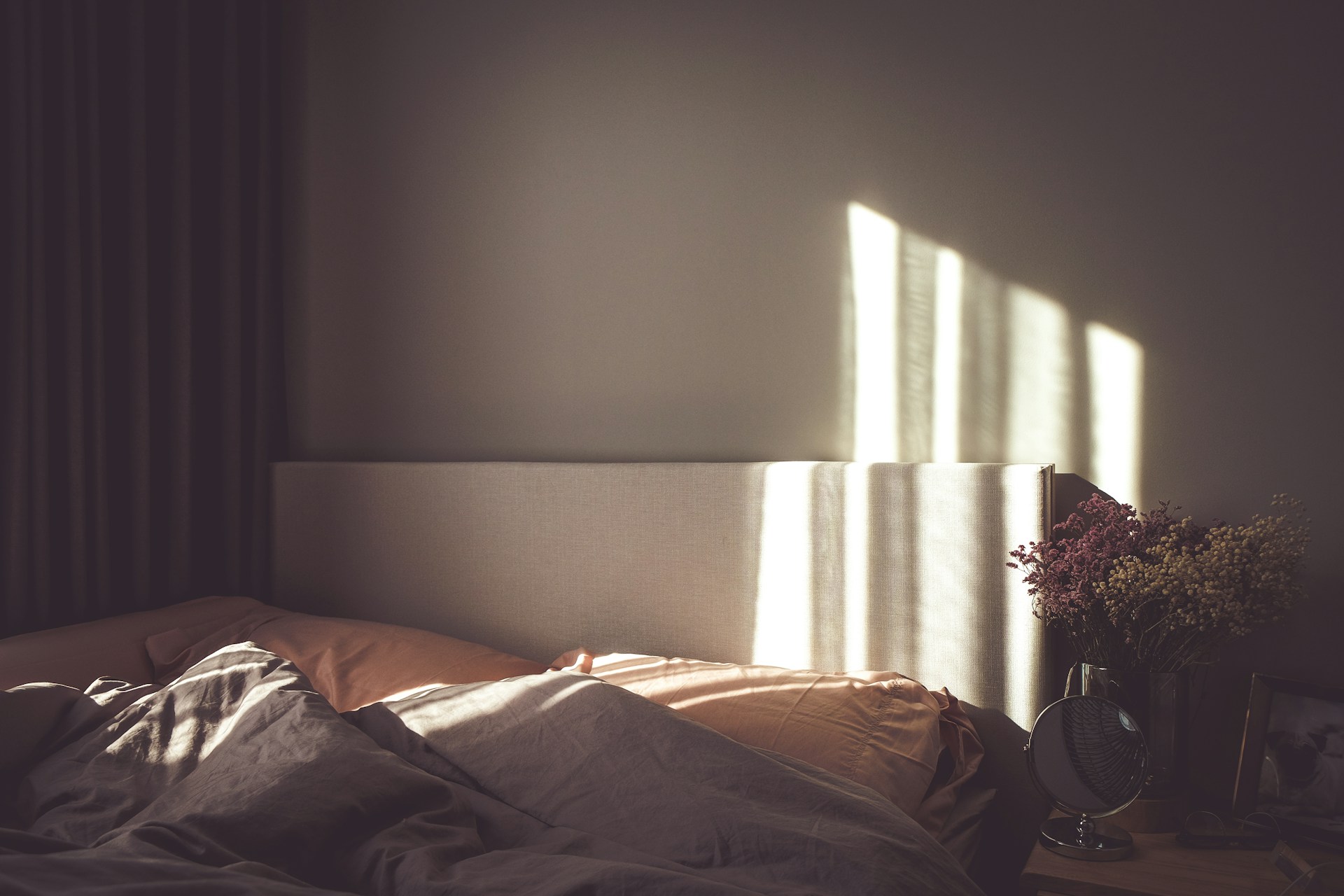
While it may not seem that important, the environment is just as important. Turn your bedroom into a sleep-friendly environment by centering it around darkness, quiet, and comfort. This can look like blackout curtains on the windows, a sleep mask, a white-noise machine or fan, and bedding that works with your temperature preferences. It’s worth reserving the room for sleep and intimacy rather than work or entertainment to separate the two, and allow your mind to associate the bedroom with rest.
Daytime Actions
Your daytime actions are just as important as the nightly ones to reach healthier sleep patterns. Some steps to follow include consistent wake and sleep times, daylight exposure, regular physical activity, and avoiding large evening meals. Daytime light and routine can enhance your circadian rhythm, and leave you tired by the end of the night, so it comes more easily. If you think you may have a disorder such as insomnia, sleep apnea, or restless legs, it’s worth going to your doctor for a check-up and considering if other options are needed to get the proper amount of rest.
Final Thoughts

Sleepless nights don’t have to be a regular occurrence. Instead, try adopting patience, a clear plan, a sleep diary, small changes, wind-down periods, and a sleep-friendly bedroom, and see if you can improve your rest. It’s super important to your body and mind, and if small changes don’t help, seek professional help so you can find the best way to attack your restlessness and embrace better sleep.